
Consultant doctors in England have voted in favour of strike action over pay and working conditions. Here’s what it means for NHS patients, hospital services and the government’s response.
NHS Consultants Vote for Strike Action Across England in Fresh Pay Dispute
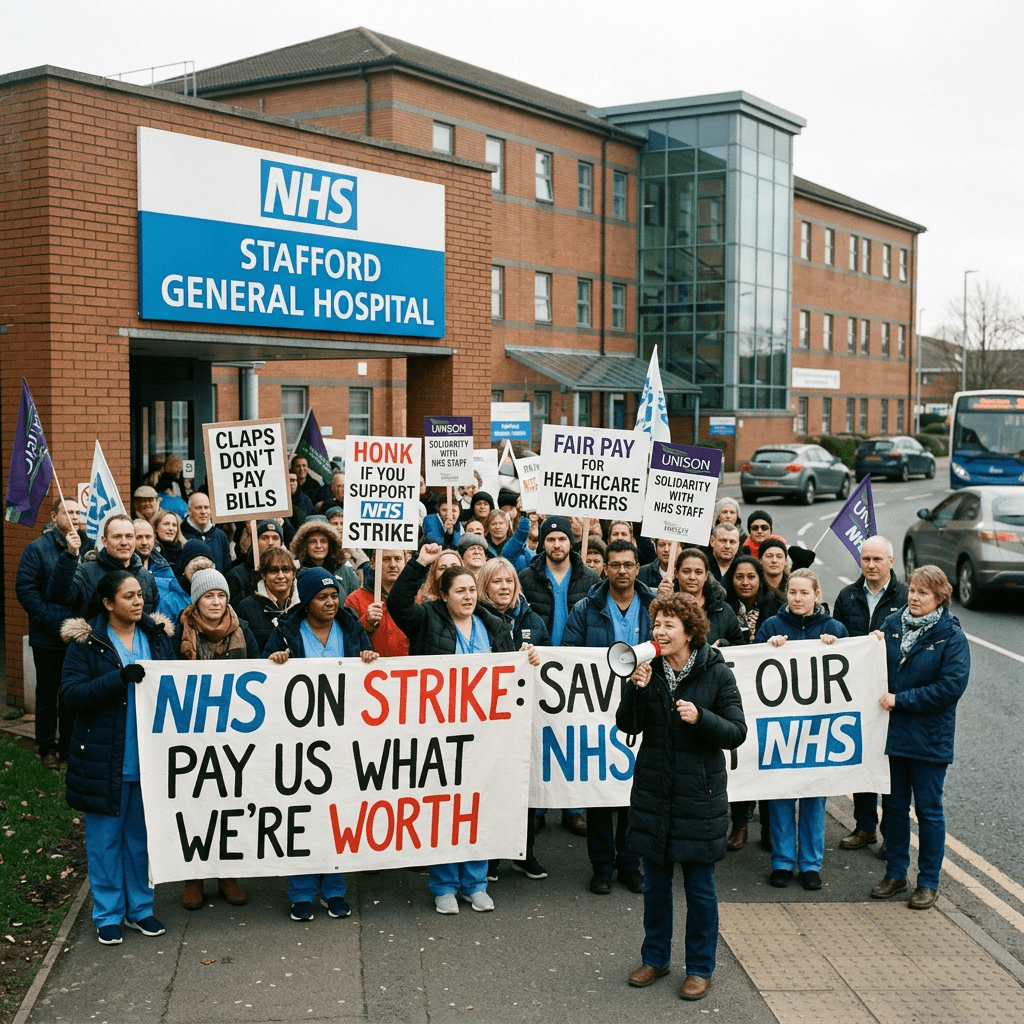
Thousands of NHS consultant doctors in England have voted in favour of industrial action, raising concerns over possible disruption to hospital services later this year.
The ballot, organised by the British Medical Association, saw a majority of participating consultants support strike action over ongoing disputes surrounding pay, working hours and long-term workforce conditions. Although no strike dates have been confirmed, the result gives consultants a mandate to take industrial action over the next 12 months if negotiations with the government fail.
Why Are Consultants Considering Strike Action?
Consultants say their pay has fallen significantly in real terms over the past decade when compared with inflation. They are calling for a multi-year pay agreement, improved rates for evening and weekend work, and a reduction in the standard working week from 40 hours to 37.5 hours.
The BMA argues that improving pay and working conditions is essential to retaining experienced doctors and reducing pressure on an already stretched NHS workforce.
The dispute comes after separate negotiations with resident doctors, but consultants believe their own concerns remain unresolved.
Government Response
The government has urged consultants to continue discussions rather than proceed with industrial action.
Ministers have pointed to recent NHS pay awards and argue that consultants remain among the highest-paid public sector workers. Officials have also warned that further strikes could place additional pressure on hospitals already dealing with long waiting lists and increased demand for services.
Both sides have indicated they remain open to talks, leaving the possibility that a negotiated agreement could still prevent future walkouts.
What Could It Mean for Patients?
If strike action goes ahead, hospitals across England may have to postpone some planned appointments and non-urgent operations.
Emergency care would still be expected to continue, but NHS leaders have warned that any large-scale disruption could increase waiting times for elective procedures and outpatient appointments. Previous industrial action by healthcare workers has led to thousands of appointments being rescheduled, creating additional pressure across the health service.
Patients are being advised not to cancel appointments unless contacted directly by their NHS provider.
Pressure on the NHS Continues
The latest dispute highlights the ongoing challenges facing the NHS, including staff shortages, increasing patient demand and long waiting lists.
Healthcare leaders have repeatedly warned that improving staff retention is essential to maintaining services over the coming years. Many hospitals continue to face recruitment difficulties, while doctors report increasing workloads and growing levels of burnout.
The outcome of negotiations between the government and consultant representatives is likely to play a significant role in determining whether industrial action can be avoided.
What Happens Next?
Although consultants have voted in favour of strike action, no dates have yet been announced.
Talks between the government and the BMA are expected to continue over the coming weeks. If an agreement is reached, strikes may be avoided altogether. However, if negotiations stall, hospitals across England could face another period of disruption later this year.
what now?
The vote by NHS consultants represents another major challenge for England’s healthcare system. While doctors say improved pay and working conditions are vital for the future of the NHS, ministers insist that further industrial action would place unnecessary strain on patients and hospital services.
With negotiations continuing, attention now turns to whether both sides can reach a compromise before any strike dates are announced.



Leave a comment