Crossing from Morocco to Spain: Routes, Risks, and Realities
Every year, tens of thousands of people attempt to cross from Morocco into Spain, hoping to reach safety, stability, or simply a chance at a better life. This migration route, one of the most closely watched in Europe, is shaped by geography, politics, and profound human desperation. Understanding how and why these journeys happen is essential to any serious discussion of European migration policy.
Main Routes: Sea Crossings and Enclaves on Land
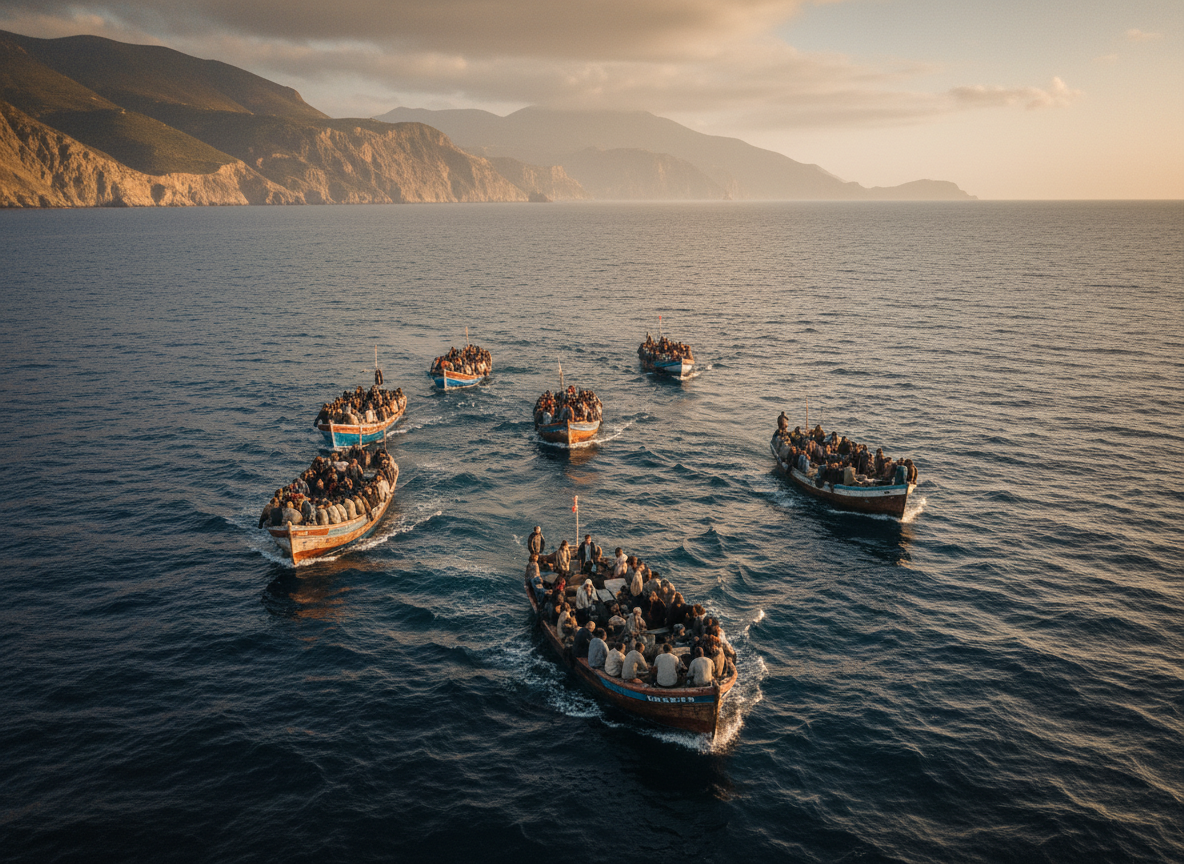
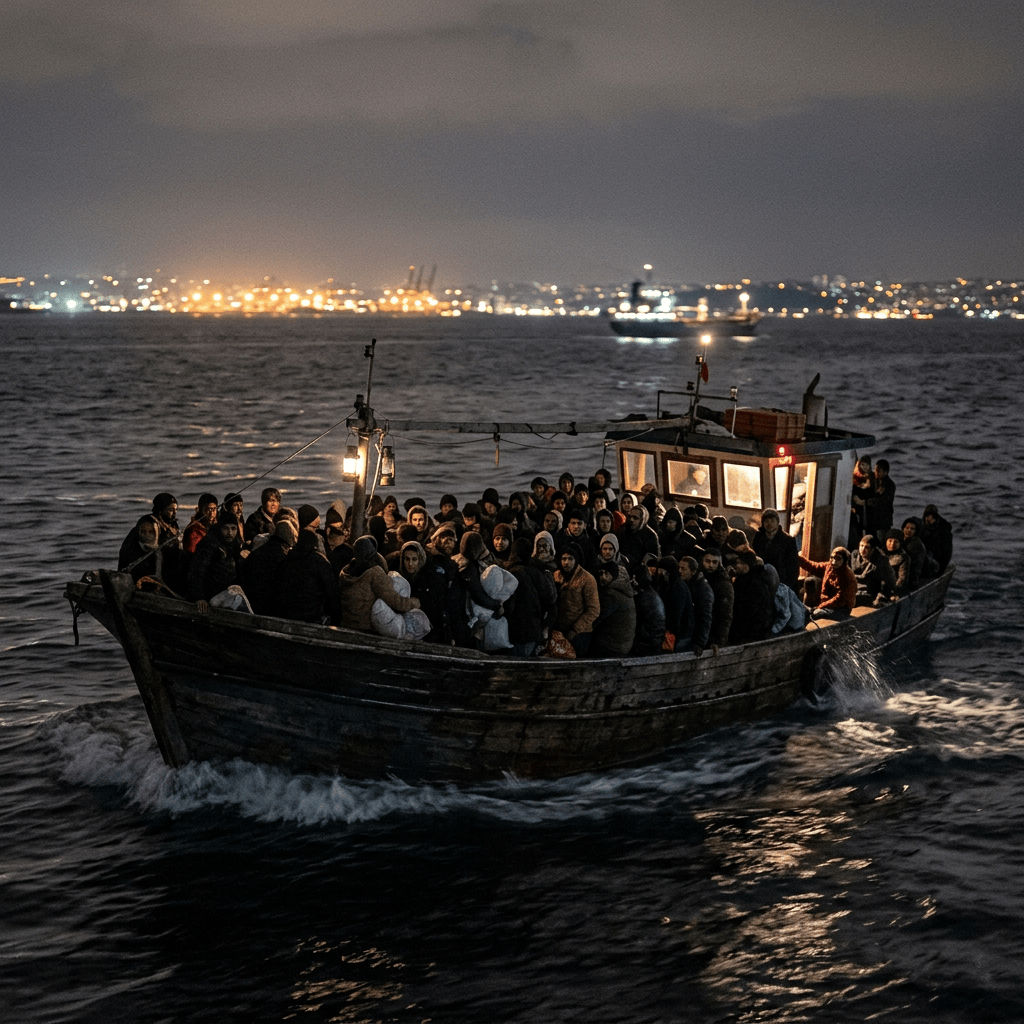
The most familiar crossing point is the Strait of Gibraltar, the narrow waterway that separates northern Morocco from southern Spain by as little as 14 kilometers. Migrants and refugees attempt this passage in small inflatable boats or wooden vessels, often overloaded and unseaworthy. Departures typically occur at night from Morocco’s northern coast, aiming for areas around Tarifa, Algeciras, or the coasts of Cádiz and Málaga.
Further west and far more perilous is the Atlantic route to Spain’s Canary Islands. Boats leave from Morocco, Western Sahara, and increasingly from Mauritania and Senegal, heading for islands such as Gran Canaria, Tenerife, or Lanzarote. This journey can take days in open ocean, subject to strong currents and rough seas, and is now considered one of the deadliest maritime migration routes to Europe.
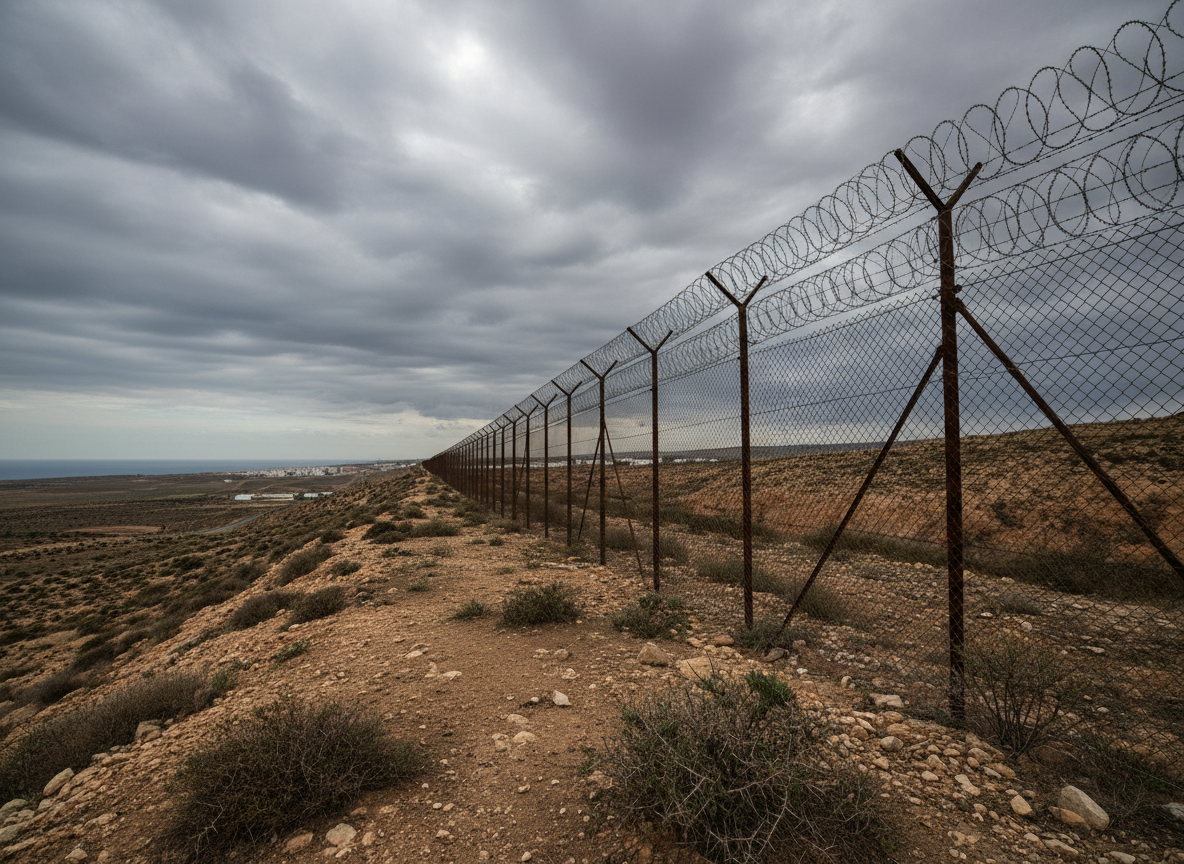
On land, the Spanish enclaves of Ceuta and Melilla on Morocco’s northern coast form the only land borders between Africa and the European Union. Both are surrounded by multiple lines of high fencing and heavy surveillance. People attempt to enter by scaling the fences, hiding under vehicles, or swimming around breakwaters. These crossings are rare compared with sea routes but attract intense political and media attention when large groups succeed in entering at once.
Root Causes: Conflict, Poverty, and Climate Stress
Many of those who reach Morocco have already traveled thousands of kilometers from across sub-Saharan Africa. They are fleeing armed conflict, political repression, ethnic persecution, or chronic instability in countries such as Mali, Sudan, the Democratic Republic of Congo, or Eritrea. Others are escaping entrenched poverty, unemployment, or the lack of reliable education and healthcare.
Climate change is increasingly interwoven with these drivers. Prolonged droughts in the Sahel, unpredictable rainfall, and land degradation undermine agriculture and pastoral livelihoods, pushing people to move first within their countries and then across borders. For many, Morocco becomes either a destination of last resort or a staging point toward Europe when opportunities at home vanish.
Morocco itself is both a country of origin and of transit. While it has a growing middle class and significant development, youth unemployment and regional inequality remain high. Some Moroccans, particularly young men from poorer regions, join mixed flows heading to Spain in search of work and social mobility that they struggle to find at home.
Numbers, Trends, and Peak Moments
Arrivals fluctuate sharply from year to year in response to weather, enforcement measures, and political tensions. According to data from European and Spanish authorities, Spain recorded tens of thousands of irregular arrivals annually over the past decade, with notable surges at different moments. The Canary Islands saw major spikes in 2006 and again from 2020 onward, when tighter controls in the central Mediterranean pushed more people toward the Atlantic route.
Land crossings into Ceuta and Melilla tend to be lower in absolute numbers but can occur in sudden mass attempts involving hundreds of people. These incidents capture headlines and often trigger rapid political reactions, even though they represent a relatively small share of total arrivals compared with sea routes to mainland Spain and the Canaries.
The Human Cost: Dangerous Journeys and Strained Reception
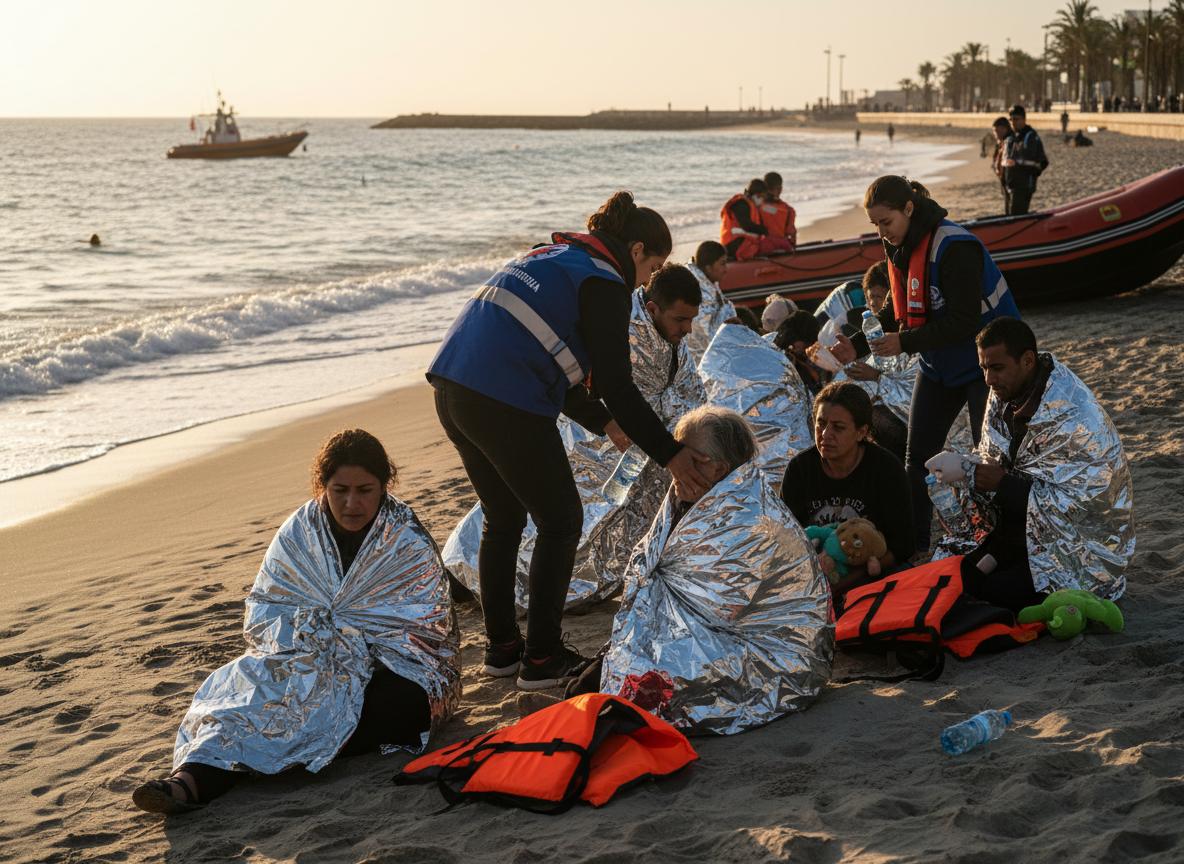
The risks faced by migrants and refugees on these routes are severe. Overcrowded boats can capsize or break apart; engines fail; navigation is often improvised with basic phones or compasses. In the Atlantic, boats may drift for days or weeks, running out of food and water. Human rights organizations and international agencies regularly report deaths and disappearances, though many shipwrecks go unrecorded, making the true toll difficult to measure.
Even when people survive the journey, conditions on arrival can be harsh. Spain operates reception centers on the mainland, in Ceuta and Melilla, and in the Canary Islands. These facilities provide basic shelter and screenings, but they are frequently criticized for overcrowding, limited access to legal assistance, and prolonged stays in uncertain legal limbo. The situation is often most acute in the Canaries, where local infrastructure struggles to cope with sudden large arrivals.
Spain, the EU, and Morocco: Cooperation and Tension
Spain’s response combines maritime rescue obligations with border enforcement and diplomatic engagement. The Spanish coastguard and maritime rescue services conduct patrols and respond to distress calls, while police and border guards work with the European Border and Coast Guard Agency, Frontex, to monitor sea and land borders.
The European Union has signed agreements with Morocco to strengthen border controls and support migration management, providing funding, training, and equipment. Morocco, in turn, carries out regular operations against smuggling networks and intercepts would-be migrants before they depart. It has also adopted limited regularization measures for some foreign nationals on its territory, though implementation is uneven.
At the same time, migration has become a point of leverage in diplomatic disputes. A striking example was the 2021 Ceuta crisis, when several thousand people, including many unaccompanied minors, suddenly entered the enclave over two days after Moroccan border controls were reportedly relaxed. The incident followed tensions between Madrid and Rabat over Western Sahara and highlighted how border cooperation can be influenced by broader political disagreements.
Humanitarian Concerns and the Debate over Europe’s Borders
Human rights groups and humanitarian organizations argue that Europe’s emphasis on deterrence and externalizing border control to countries like Morocco contributes to dangerous journeys and abuses. Reports have documented excessive use of force during fence crossings, collective expulsions at borders, and mistreatment of migrants in informal camps or during police operations on Moroccan territory.
Critics call for safer and more legal pathways, including expanded resettlement, humanitarian visas, and labor migration schemes that reflect Europe’s demographic and economic needs. They also stress the need for stronger protection systems in both Spain and Morocco, ensuring access to asylum procedures, legal aid, and dignified reception conditions.
Governments in Spain and across the EU, meanwhile, face domestic political pressures to “control” borders and reduce irregular arrivals, even as they acknowledge the importance of search-and-rescue operations and international protection obligations. The result is an uneasy balance between security, humanitarian responsibility, and geopolitical bargaining.
The crossings from Morocco to Spain thus encapsulate a broader European dilemma: how to respond to structural forces driving people to move while upholding fundamental rights and maintaining public confidence in borders. The choices made in this corridor will continue to shape not only the lives of those who risk the journey, but also the future of migration governance in the wider region.


Leave a comment